BLUE OCEAN
STRATEGY
Discover a new way of thinking that allows you to break away from the competition and sets you on the path to profitable growth. Go beyond disruption, where business and society can thrive together.
BLUE OCEAN
STRATEGY
WHAT IS BLUE OCEAN STRATEGY?
The market universe is composed of two types of oceans: red oceans and blue oceans. Learn what separates them and why understanding the difference can transform your organization.
WHAT IS BLUE OCEAN STRATEGY?
The market universe is composed of two types of oceans: red oceans and blue oceans. Learn what separates them and why understanding the difference can transform your organization.
HOW TO SHIFT FROM RED OCEANS TO BLUE OCEANS?
To successfully shift from red oceans of bloody competition to blue oceans of new market space depends on three key components. Learn what they are and how to implement them.

HOW TO SHIFT FROM RED OCEANS TO BLUE OCEANS?
To successfully shift from red oceans of bloody competition to blue oceans of new market space depends on three key components. Learn what they are and how to implement them.
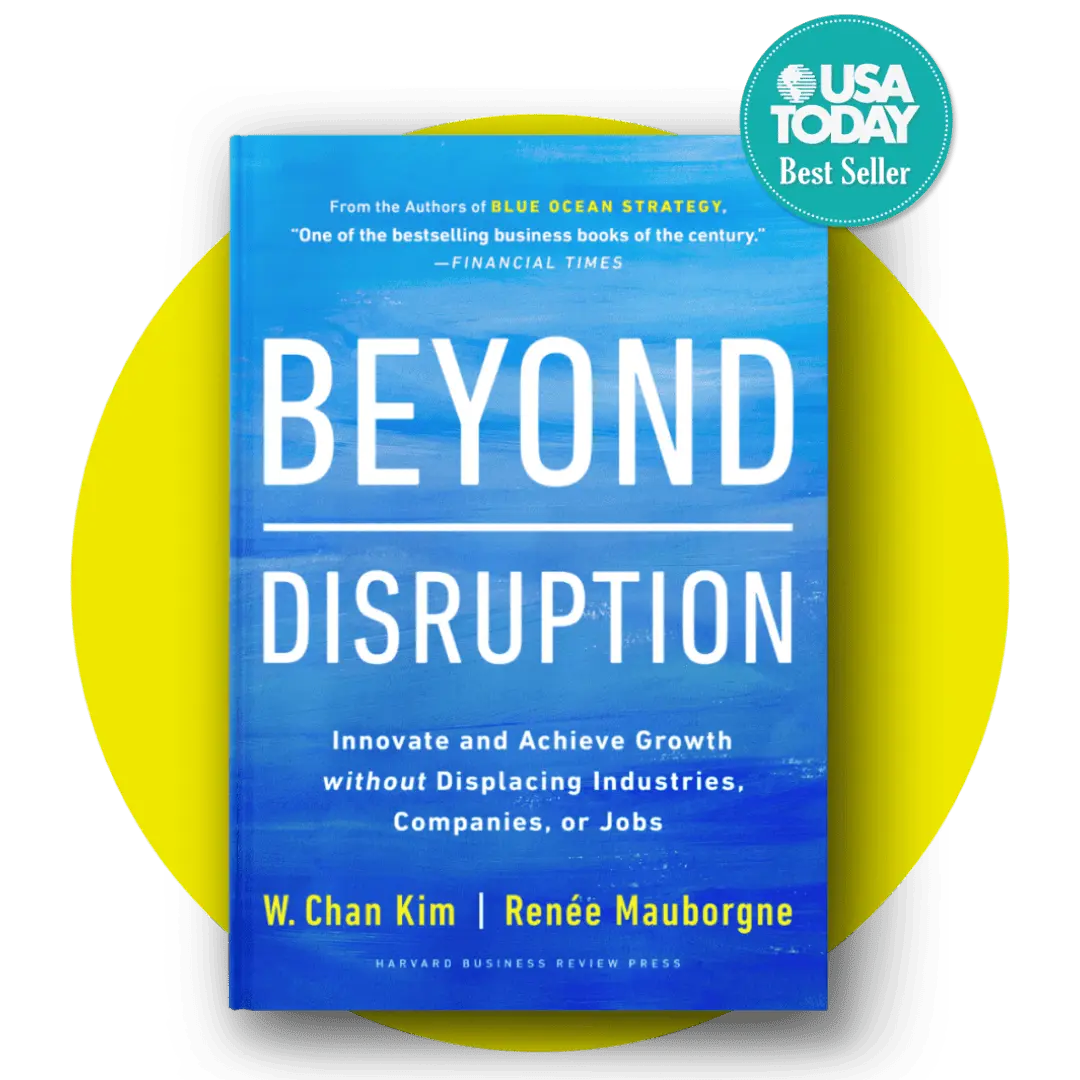
Discover a NEW way to innovate and grow
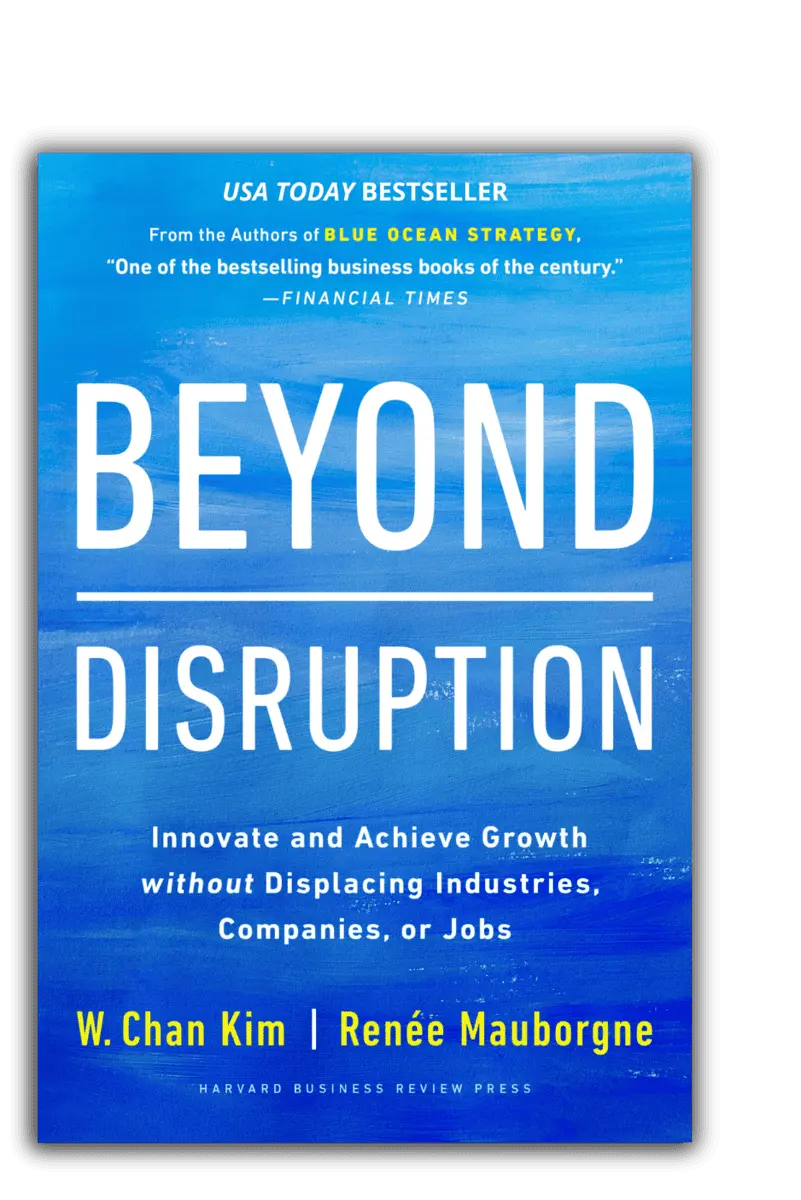
It’s time to dispel the myth that innovation must be disruptive. Nondisruptive creation is a path to new industries, new jobs, and profitable growth but without the pain of shuttered companies, hurt communities, or lost jobs of disruption in its wake. It’s a path beyond disruption, where business and society can thrive together.
BE INSPIRED
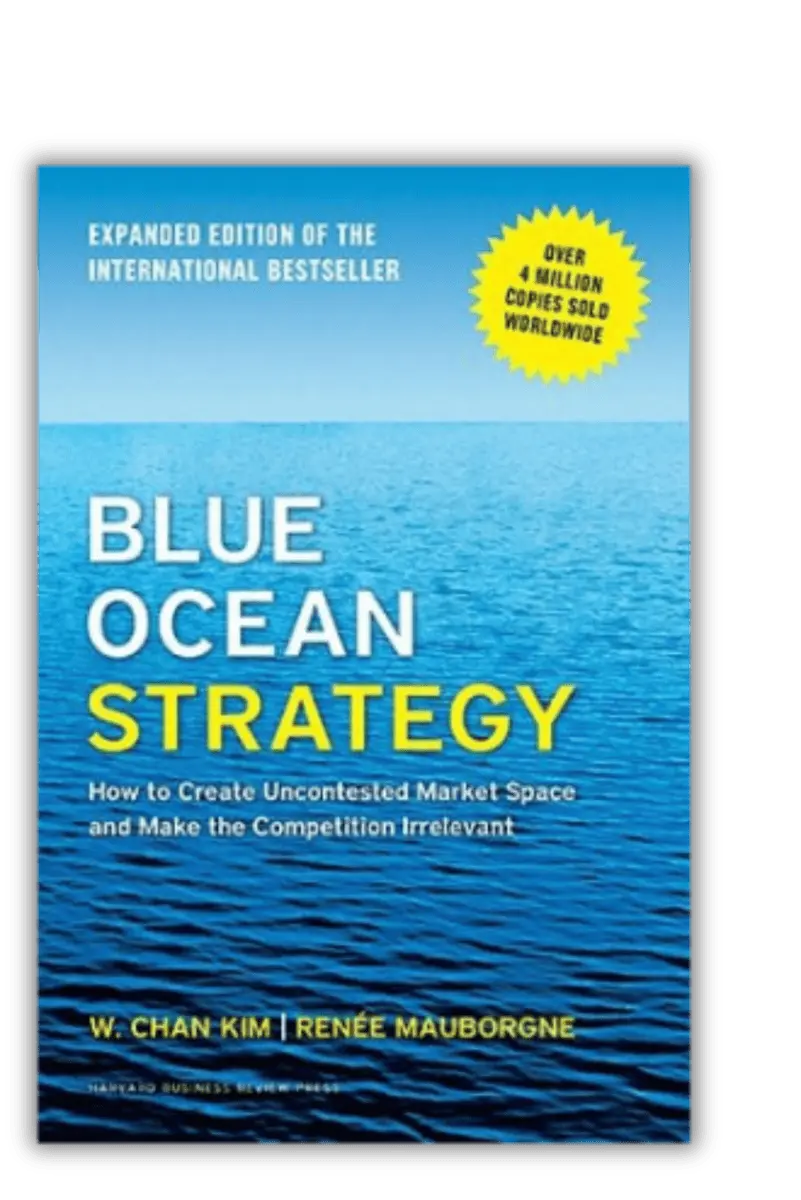
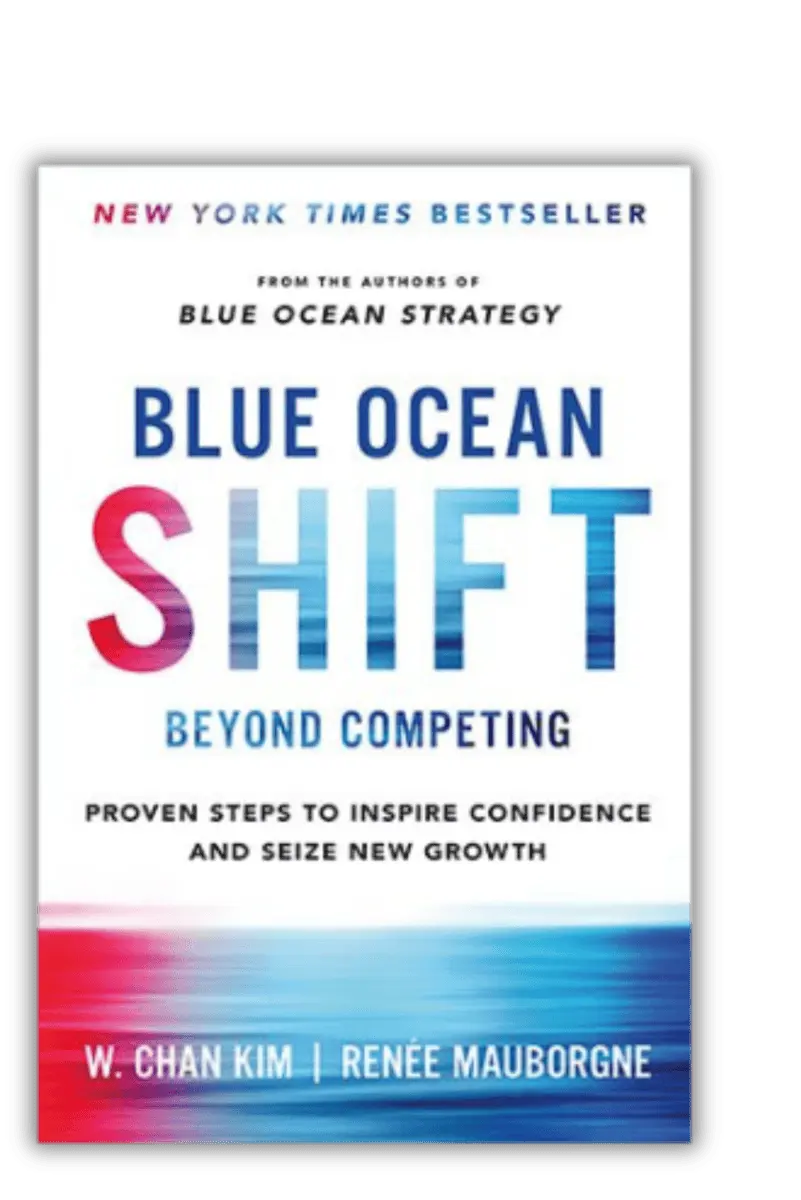
Get the seminal books that challenged everything we knew about strategy and its execution, and now innovation


MEET THE AUTHORS
#1 Management Thinkers in the World
Chan Kim and Renée Mauborgne
are the authors of the New York Times Best Seller Blue Ocean Shift and the 4 million copy global bestseller Blue Ocean Strategy. In 2023, they were chosen as two of the four leading thinkers in the 100 years of Harvard Business Review’s publication. In 2019, they were named the #1 Management Thinkers in the World by Thinkers50.
BLUE OCEAN TOOLS AND FRAMEWORKS
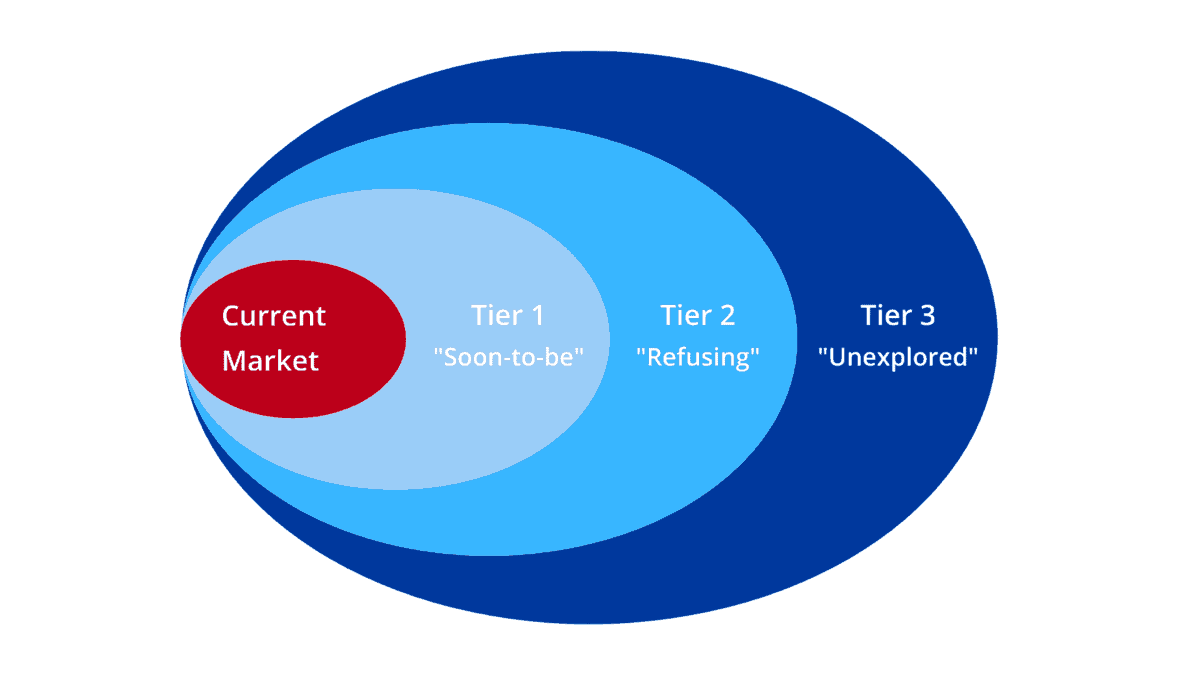
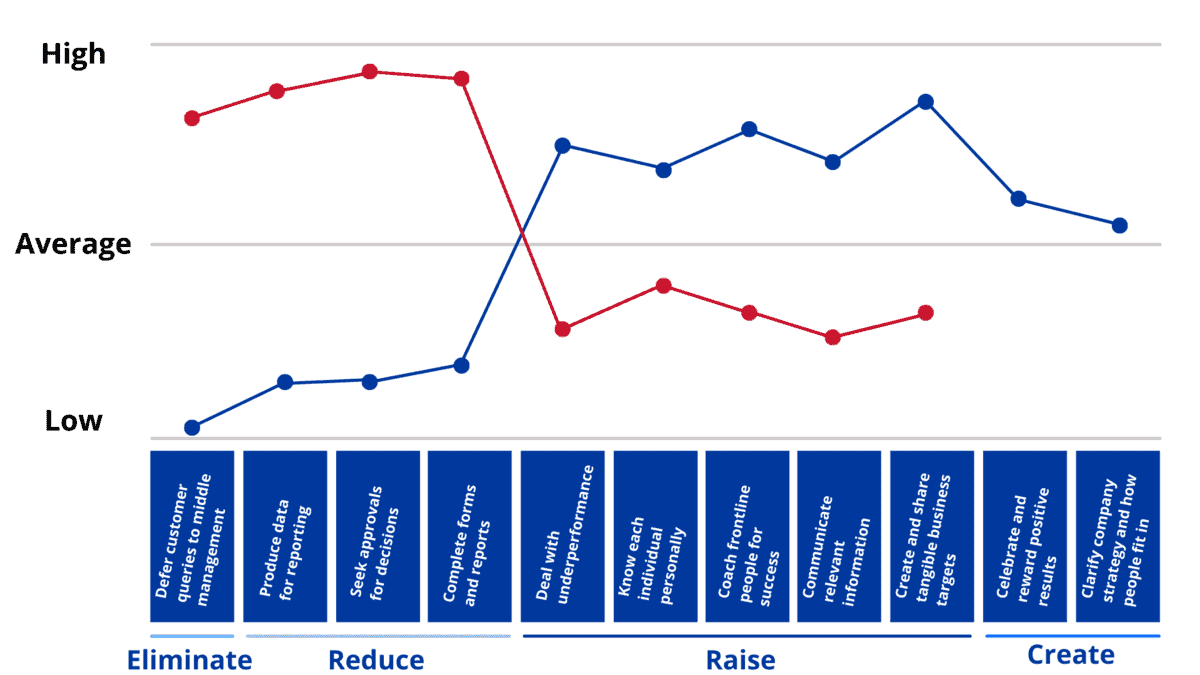
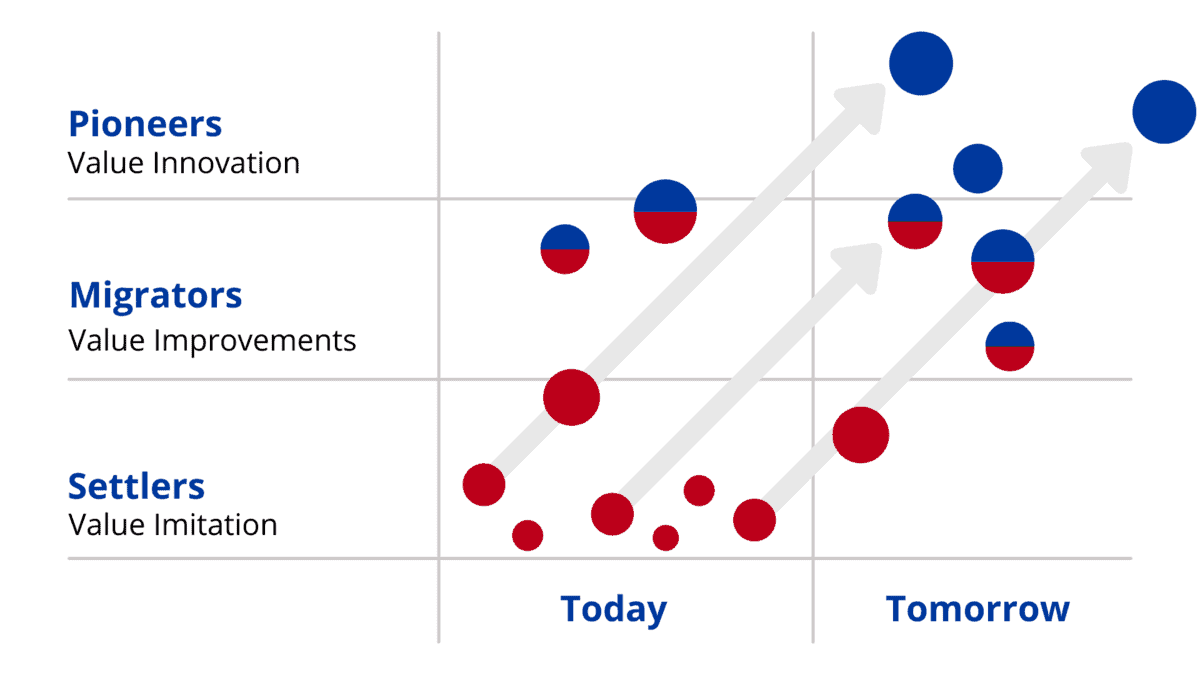
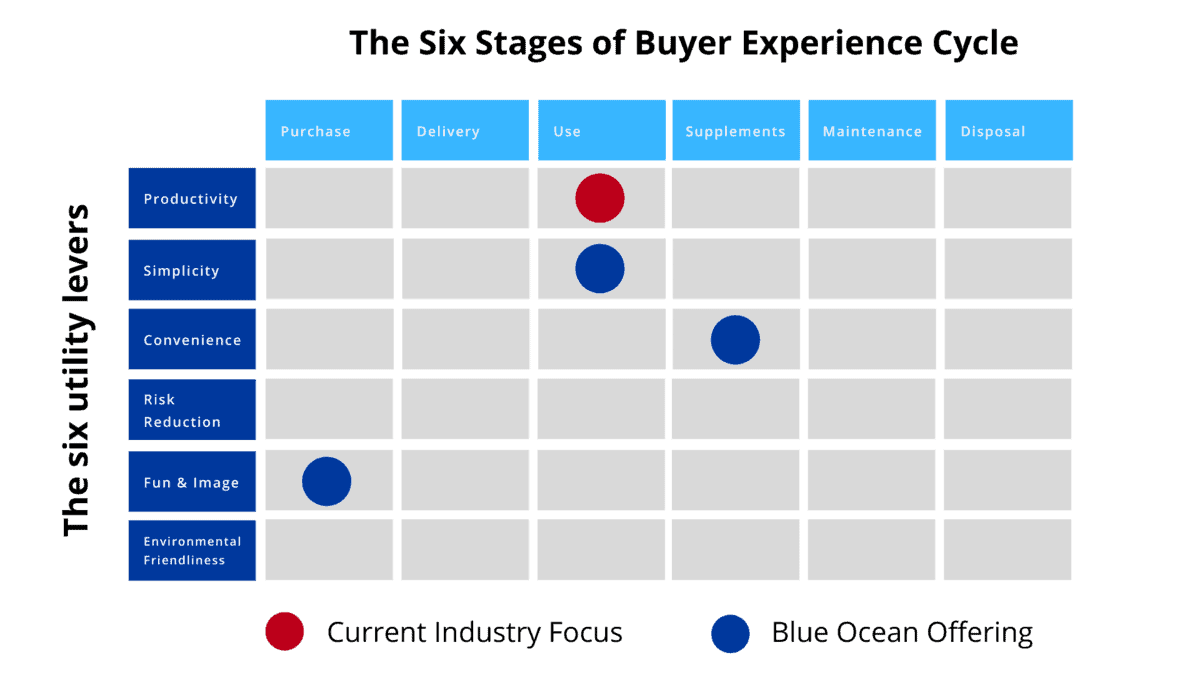
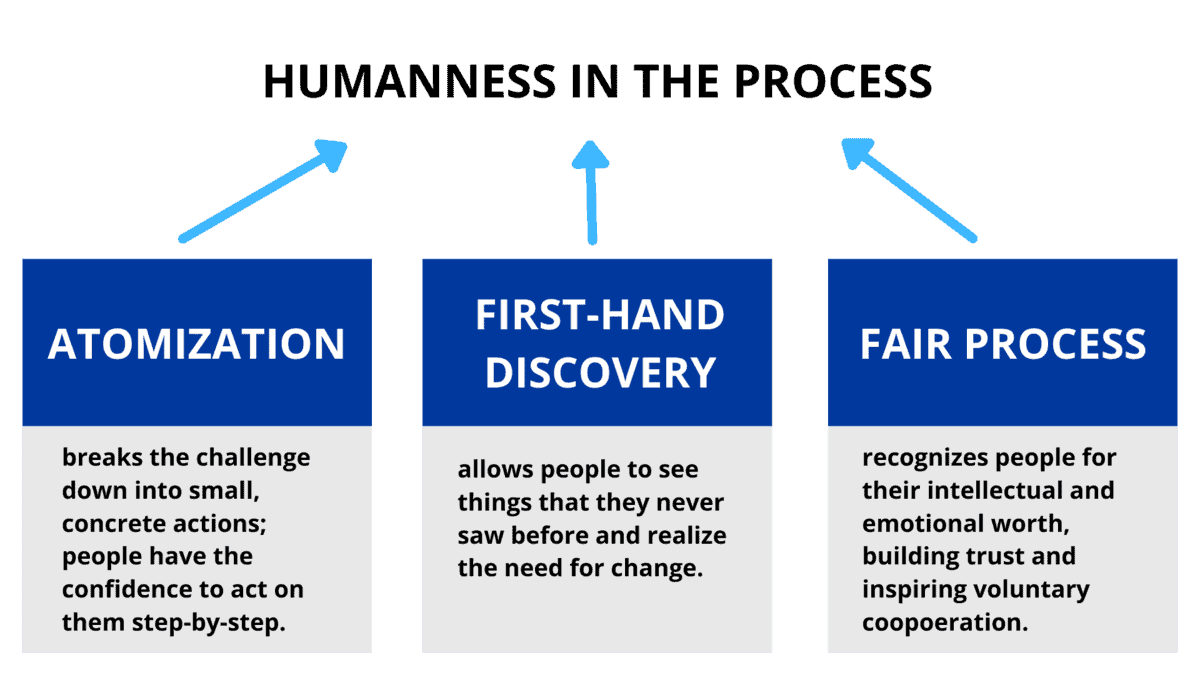
Learn how to put these practical market-creating tools into practice to move from red ocean of competition to blue oceans of new market space and to do so in a way that people own and drive the process.
—— APPLY IT
BRING A REAL PROBLEM.
LEAVE WITH A STRATEGY.
Reading about blue ocean strategy is one thing. Applying it to your own business is another. Two programs take you through the process step by step, on a real challenge of your own.
—— SELF-PACED
BLUE OCEAN CREATION PROGRAM
A proprietary AI-guided workspace where blue ocean tools come to life on your business, and an online course to learn the concepts as you apply them. Get a clear direction to grow your business, increase revenue, and unlock new markets. Best if you want to move at your own pace and start immediately.
—— LIVE COHORT
BLUE OCEAN STRATEGY PRACTITIONER PROGRAM
Apply Blue Ocean Strategy to a real situation: an organizational strategy, a business of your own, or a client engagement, with expert feedback at every step. Leave with a growth roadmap and the momentum and confidence to implement it.
BLUE OCEAN STUDENT ENTREPRENEUR COMPETITION
The largest and most prestigious virtual pitch competition for high school students around the world
In 2026 over 23,000 high school students representing more than 170 countries and all 50 US states took part – another record-breaking year.

TEACH BLUE OCEAN CASES
Blue ocean pedagogical materials, used in over 3,000 universities and in almost every country in the world, go beyond the standard case-based method.
Check out our wealth of cases and teaching materials to teach blue ocean concepts in your class.





TEACH BLUE OCEAN CASES
Blue ocean pedagogical materials, used in over 3,000 universities and in almost every country in the world, go beyond the standard case-based method.
Check out our wealth of cases and teaching materials to teach blue ocean concepts in your class.

BLUE OCEAN BLOG
Find out how blue ocean tools can transform individuals, organizations, and nations all around the world. Read the latest thought leadership articles from Chan Kim and Renée Mauborgne.
BLUE OCEAN BLOG
Find out how blue ocean tools can transform individuals, organizations, and nations all around the world. Read the latest thought leadership articles from Chan Kim and Renée Mauborgne.